Powered by

CropNow
Farm advice and follow-up through the whole crop cycle.
 Kairoman
by CropNow
No spray. No poison. A colour pests can't ignore, and a gum they can't leave.
A pest monitor and a pest trap in one sheet. Hang it once and it works day and night.
Inside every sheet
tip from the field: rub a little
coconut oil on your fingers first
The gum
Non-toxic, non-drying, and made to stay tacky between changes.
15–20days between changes
Colour does the calling
Pests drawn to fresh green growth.
Pests drawn to flowers and fruit.
One acre = 20 yellow + 5 blue
Colour is half the call
Pests hunt with two senses. Colour pulls them in across the field. Scent from ripe fruit, fresh shoots and open flowers tells them where to land. Hang the sheet close to that smell and both signals lead to the gum.
Kairoman Lures, coming soon, add scent to the trap itself.
Where it works
Tomato, brinjal, cotton, chilli. Tie it 1.5 to 2 ft above the canopy.
A4Yellow + Blue25 per acre
Hang from the support wire. Blue near the flowering beds.
A4Yellow + BlueEvery few rows
Shore flies and gnats breed where water sits. Blue catches them first.
A4BlueAt the water's edge
Balcony pots and terrace beds. One A5 sheet per cluster of pots.
A5Yellow1 to 2 ft above plants
Fruit bowls draw fruit flies. A small blue sheet nearby does the rest.
A5BlueNear fruit and bins
Back of house, near doors and bins. Quiet and chemical-free.
A5Yellow + BlueAway from food
Whiteflies, thrips and aphids carry viruses like leaf curl. One infected plant can spread it across a field before you see damage. A sheet every 5 to 10 m shows you the first arrivals, so you act early and spray less, or not at all.
What it catches here: Whiteflies, Aphids, Jassids, Thrips
Warm, closed air and no rain let pests breed fast, with few natural enemies to stop them. Thrips and whiteflies can build up in days on high-value crops. Traps give you the early warning and keep sprays off the flowers and fruit you are about to pick.
What it catches here: Thrips, Whiteflies, Aphids, Fungus gnats
Still water and the algae at its edge are nurseries for shore flies, midges and gnats, which then move into nearby crops and homes. Spraying insecticide next to water harms fish, frogs and the birds that feed on them. A sheet at the edge catches the adults and nothing goes into the water.
What it catches here: Shore flies, Fungus gnats
Pots that stay damp breed fungus gnats, and whiteflies and aphids move onto the chilli, tomato and greens you grow to eat. Spraying on a balcony means spraying where children and pets play. A small sheet keeps the plants clean with no chemicals in the house.
What it catches here: Whiteflies, Aphids, Fungus gnats
Fruit flies follow the smell of ripe fruit and wet waste, and they multiply fast in warm weather. Spray and food don't belong in the same room. A blue sheet next to the fruit bowl turns that smell against them: they come for the fruit and land on the gum.
What it catches here: Fruit flies, Fungus gnats
Flies near food are a hygiene risk and the first thing a customer or inspector notices. Bins, drains and produce stores attract them every day. Sheets at the back door and in storage show you where they come in, and catch them without a spray anywhere near the kitchen.
What it catches here: Fruit flies, Fungus gnats
And everywhere else
Week 16 caught
First arrivals. Note the count and look again next week.
Week 219 caught
Clearly more than last week: a wave has started. Walk the rows near this trap now, before the damage shows.
Week 354 caught
Crowded and dusty, so it catches less now. Hang a fresh sheet and start counting again.
Read the sheet
Look at your sheets once a week. What is stuck, and how much, tells you what is coming before you see it on the plants.
Compare traps too. If one catches far more than the rest, the pests are coming in from that side.
How to use
Rub a little coconut oil on your fingers, then peel the butter paper off.
Thread twine or wire through the hole. Bamboo poles and crop wires work well.
1.5 to 2 ft above the canopy. Off the soil, out of the shade.
5 to 10 m apart. A few extra at pest-prone corners and flowering zones.
Planner
2 × A4
About ₹720 at launch prices
Packs
Field crops and larger areas
297 × 210 mm, landscape pack
Best for Tomato, brinjal, cotton and more
Small crops and home gardens
148 × 210 mm, portrait pack
Best for Chilli, leafy greens, nurseries and more
Launch prices. MRP inclusive of all taxes.
Grown with purpose
Every pest caught on a sheet is one less reason to spray. Better for the soil, the water and the people who work the field.
Powered by
Farm advice and follow-up through the whole crop cycle.
Made by

Designed and manufactured in India.
Help in
Send a pest photo on WhatsApp. We reply in English, हिंदी, ಕನ್ನಡ, தமிழ் and తెలుగు.
Working toward the UN goals
Make in India · Atmanirbhar Bharat · Swachh Bharat
In the workshop
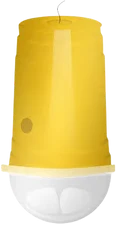
Dome-shaped, reusable, built for farms and orchards.
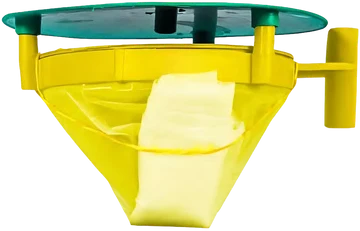
Collection pouch for fruit flies and moths.
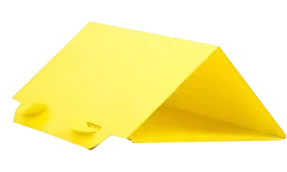
Folds flat, hangs anywhere in field or greenhouse.
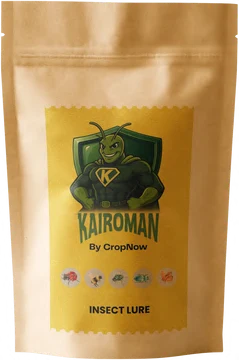
Natural attractants that pull seasonal pests to the trap by scent.

Stuck with a pest problem?
Support in Englishहिंदीಕನ್ನಡதமிழ்తెలుగు